My SHS Work Immersion Experience at Mapúa SOM
by Julian Danielle Huvalla; Jake Bryan Cortez, MD
Introduction
My time at Mapúa University’s School of Medicine as a senior high school (SHS) work immersion student has been nothing short of transformative. This unique opportunity provided me with firsthand insights into both the theoretical and practical aspects of medical education. From observing cutting-edge simulation-based training to witnessing passionate discussions in the classroom, every moment of this immersion deepened my appreciation for the medical profession.
Academic and Research Writing
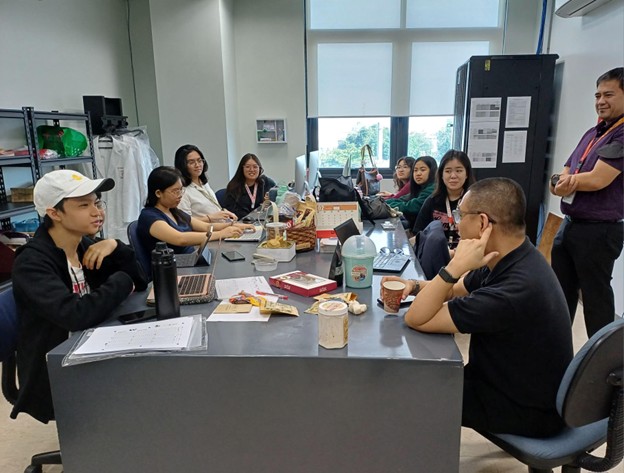
Medical education at Mapúa is not solely about memorizing facts—it’s about thinking critically and contributing to the advancement of healthcare knowledge. During my immersion, I saw how students were trained to analyze medical literature, apply evidence-based practice, and even develop their own research proposals.
Through guidance from faculty mentors, students learned to conduct comprehensive literature reviews, design meaningful research studies, and communicate their findings effectively. This emphasis on scientific inquiry left a lasting impression on me, reinforcing the importance of clear and purposeful writing in the field of medicine.
Exploring the 7th Floor: Simulation-Based Learning
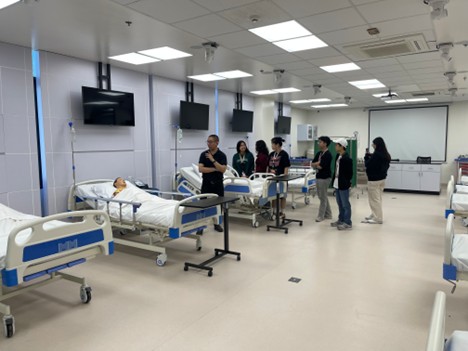
Stepping into the Human Health Learning and Innovation Center on the 7th floor of Mapúa’s Makati campus felt like entering the future of medical education. The facility’s realistic hospital setting, complete with high-fidelity Syndaver mannequins and advanced virtual reality tools, is where theory seamlessly meets practice.
Although I didn’t operate the simulators myself, I had the privilege of observing and assisting during various sessions. It was fascinating to see how medical students used these lifelike models to practice procedures, refine diagnostic skills, and manage simulated medical emergencies. I even helped set up training scenarios, gaining an understanding of the precision and care that goes into simulation-based learning.
Unlike traditional methods using cadavers, these simulations offer a sustainable, hands-on learning experience. They allow students to practice as many times as necessary, ensuring they are well-prepared for real-world patient care.
In-Classroom Observation
During my immersion, I observed a variety of engaging classes that brought medical concepts to life. Some of the most memorable experiences included:
- Anatomy Class: Seeing medical students utilize digital models and interactive tools to explore the complexities of the human body.
- Physiology Laboratory: Interactive experiments on muscle function brought theoretical concepts to life, making learning both dynamic and impactful.
- Ethics and Professionalism Class: I observed students engaging in thought-provoking debates over real-world medical dilemmas, emphasizing the importance of ethical decision-making.
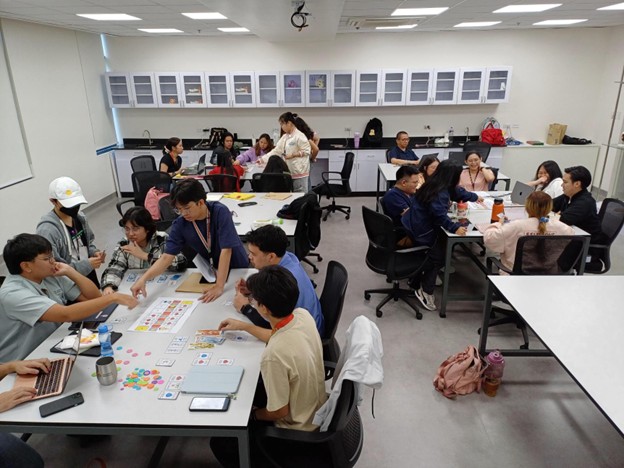
- Mapúa UHC Quest: A board game activity in which students navigated healthcare economics, gaining practical insights into the complexities of medical finance and policy.
- Stethoscope Ceremony: A powerful moment as students received their stethoscopes, symbolizing their commitment to patient care. Witnessing this ceremony reminded me of the deeper responsibilities that come with pursuing a medical career.
Building Connections and Embracing Collaboration
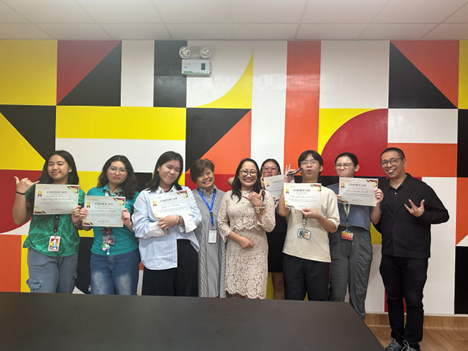
One of the most rewarding aspects of my experience was meeting the people who make Mapúa SOM exceptional. Faculty members were passionate mentors, always ready to share their knowledge and experiences. Medical students, despite their rigorous schedules, welcomed me warmly, offering guidance and insight into their academic journeys.
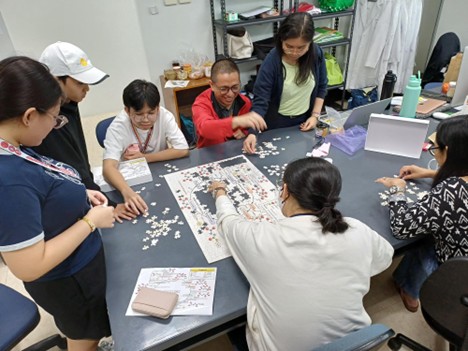
It was clear that collaboration is at the heart of the Mapúa experience. Learning here is not an isolated pursuit—it’s a shared journey where peers support and challenge one another to become the best healthcare professionals they can be.
Final Reflections
This immersion taught me that medicine is not simply about acquiring knowledge. It is about embracing a mindset of lifelong learning, developing resilience, and understanding the profound responsibility of caring for others. Though I am not yet a medical student, I leave with a deep admiration for the field and a newfound determination to pursue a future in healthcare.
For those considering a career in medicine, Mapúa University School of Medicine offers an inspiring and empowering environment. Its holistic approach, combined with its commitment to innovation and patient-centered learning, ensures that students graduate not only as skilled physicians but also as compassionate leaders in healthcare.
If you aspire to make a difference in the world of medicine, Mapúa SOM is undoubtedly the place to start your journey.