

What to Expect in the Real Estate Broker Licensure Exam: A Student Preparation Guide
The Philippine real estate industry offers career opportunities in property sales, investment, development, and management. However, aspiring professionals who want to become licensed real estate brokers must first pass the real estate broker exam administered by the Professional Regulation Commission (PRC).
The examination tests more than familiarity with property listings and sales processes. It assesses a candidate’s understanding of Philippine real estate laws, financial concepts, property valuation, and professional responsibilities. For students and business professionals planning to enter the industry, knowing what to expect is an important part of career preparation.
The good news is that preparation becomes more manageable when candidates understand the examination’s structure and requirements. With the right academic foundation and a consistent review plan, aspiring brokers can develop the knowledge and confidence needed to pursue licensure.
This guide explores the examination coverage, eligibility requirements, historical passing rates, common challenges, and practical preparation strategies.
What Does the Real Estate Broker Licensure Exam Cover?
The PRC administers the Real Estate Brokers Licensure Examination to determine whether candidates have the competencies required for professional practice. Its coverage follows Republic Act No. 9646, or the Real Estate Service Act of the Philippines.
According to the revised April 2026 PRC examination program, the test consists of three major subject areas:
1. General and Fundamentals of Real Estate Service (25%)
This section covers the foundations of property ownership and the legal responsibilities of real estate professionals. Topics include:
- Fundamentals of property ownership
- Code of ethics and professional responsibilities
- RA 9646 and its implementing rules and regulations
- Real estate laws and taxation
- Agricultural laws and the Comprehensive Agrarian Reform Program Extension with Reforms (CARPER)
Candidates must understand Philippine property laws and licensed brokers’ responsibilities when facilitating transactions and representing clients.
2. Special and Technical Knowledge (25%)
This section examines the technical and legal aspects of property transactions. Topics include:
- Subdivision development and relevant regulations
- Condominium concepts and property ownership
- Legal aspects of property sales, mortgages, and leases
- Property documentation and registration
Understanding how transactions work, including the documents involved in transferring ownership and establishing contractual agreements, is essential.
3. Professional Practice (50%)
Accounting for half of the examination, this section focuses on the practical and business aspects of real estate services. Its coverage includes:
- Real estate brokerage practice
- Real estate finance and economics
- Urban and rural land use
- Planning, development, and zoning
- Basic principles of ecology
- Basic real estate appraisal for brokers
Candidates should allocate considerable review time to this section. They must understand how property values, market conditions, financing, and development regulations influence real estate decisions.
For the complete subject breakdown, refer to the PRC’s official April 2026 examination program.
What Are the Real Estate Broker Exam Requirements in the Philippines?
Understanding the eligibility requirements is another important step before applying for the examination.
Under RA 9646, applicants must meet the qualifications established by the Professional Regulatory Board of Real Estate Service. The PRC identifies a Bachelor of Science in Real Estate Management degree as the required academic qualification.
The requirements for the real estate broker exam include:
- BS Real Estate Management degree
- PSA-issued birth certificate
- PSA marriage certificate for married female applicants
- Transcript of Records with a scanned photograph and the remark “For Board Examination Purposes”
- Valid NBI clearance for first-time applicants and repeaters
- Examination fee of ₱900
Applicants must also satisfy the applicable citizenship and good moral character provisions under RA 9646. Foreign applicants are subject to reciprocity requirements.
Under Section 15 of RA 9646, candidates must obtain a general average of at least 75%, with no individual subject rating below 50%, to pass.
How Difficult Is the Real Estate Broker Exam?
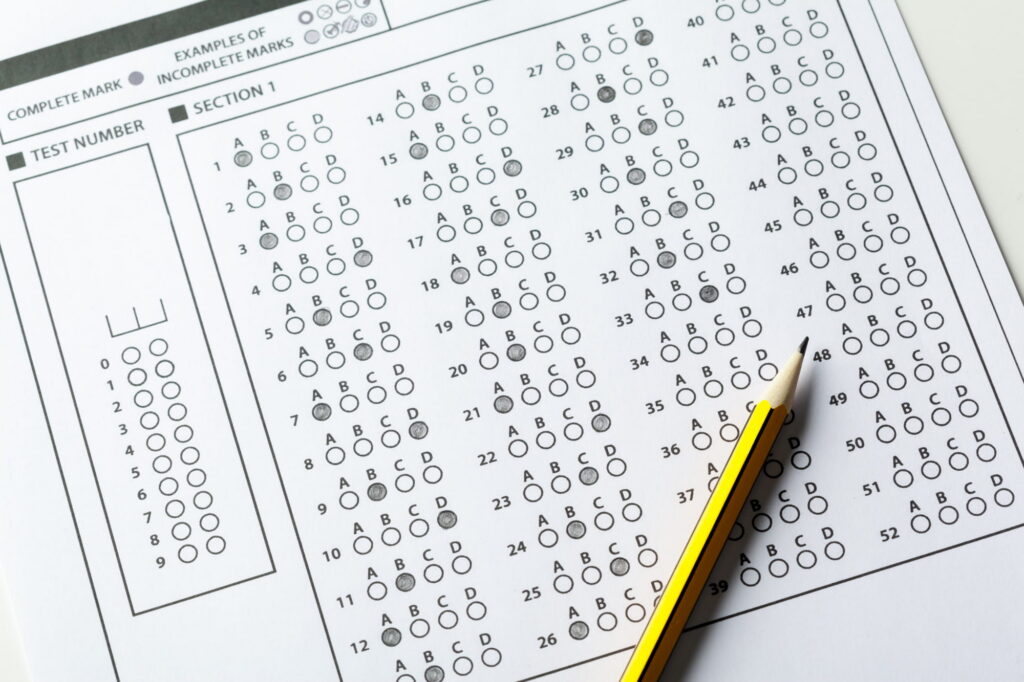
Reviewing historical examination results can help candidates understand what it takes to pass the licensure exam.
Recent results show the following passing rates:
| Examination Year | Passing rate |
| April 2024 | 76.1% |
| April 2025 | 75.0% |
| April 2026 | 81.1% |
In April 2026, 1,863 of 2,296 examinees passed, for a national passing rate of 81.1%.
Although the results show that passing is achievable, candidates should not rely on historical figures to predict their individual performance. Consistent preparation, subject mastery, and familiarity with the examination format remain essential.
Common Challenges When Preparing for the Exam
Even graduates with a real estate management background may encounter difficulties during their review. Recognizing these challenges early can help candidates develop better study strategies.
1. Remembering Philippine Real Estate Laws
The examination covers laws governing property ownership, development, taxation, and professional practice. Organizing legal provisions by topic and studying their practical applications can help candidates understand the material beyond memorization.
2. Understanding Financial and Appraisal Concepts
Real estate finance, economics, and appraisal require analytical thinking. Candidates must understand property valuation, financing arrangements, and market conditions. Practicing numerical problems and sample property scenarios can strengthen these skills.
3. Managing the Broad Examination Coverage
The examination covers several interconnected disciplines. Spending too much time on one subject can leave insufficient time to prepare for others. A structured review schedule helps candidates distribute study time according to the examination’s subject weight.
How to Prepare for the Real Estate Broker Licensure Exam
An effective preparation plan helps candidates identify their strengths, address knowledge gaps, and approach the examination with greater confidence.
Here are five strategies to consider:
1. Review the Official Examination Syllabus
Use the latest PRC examination program as your primary study guide. Identify the covered subjects and prioritize areas with higher exam weight.
2. Create a Consistent Study Schedule
Divide the coverage into manageable study sessions. Allocate more time to professional practice, which accounts for 50% of the examination, while regularly reviewing the other subjects.
3. Practice With Mock Examinations
Answering practice questions helps candidates become familiar with the examination format, identify knowledge gaps, and improve time management.
4. Apply Concepts to Real Estate Scenarios
Connect theoretical lessons with practical situations, such as reviewing lease agreements, evaluating property listings, understanding mortgages, and assessing market conditions.
5. Maintain a Healthy Study Routine
Set realistic daily targets, take regular breaks, and allow enough time for rest. Consistent preparation works better than trying to cover the entire syllabus in a few days.
Prepare for the Real Estate Broker Exam With the Right Education

Passing the Real Estate Brokers Licensure Examination takes a strong educational foundation, practical knowledge, and the ability to make informed business decisions.
That’s why preparing for licensure begins long before graduation. Mapúa Business Schools’ Bachelor of Science in Real Estate Management combines real estate principles with business management education, developing competencies in property transactions, real estate finance, appraisal, legal requirements, and professional ethics. Through its collaboration with Arizona State University®, the program also integrates global business perspectives, experiential learning, and digital competencies.
Beyond preparing students for the licensure examination, the program equips them with skills in property investment analysis, market evaluation, and business decision-making. These competencies can open opportunities in various real estate jobs in the Philippines, including brokerage, property management, investment analysis, and property development.
Build a strong foundation for your future in real estate. Explore Mapúa Business Schools’ BS Real Estate Management program and develop the knowledge and skills to pursue a rewarding career in the industry.


